Can you mix modern furniture with traditional?
Incorporating Textures
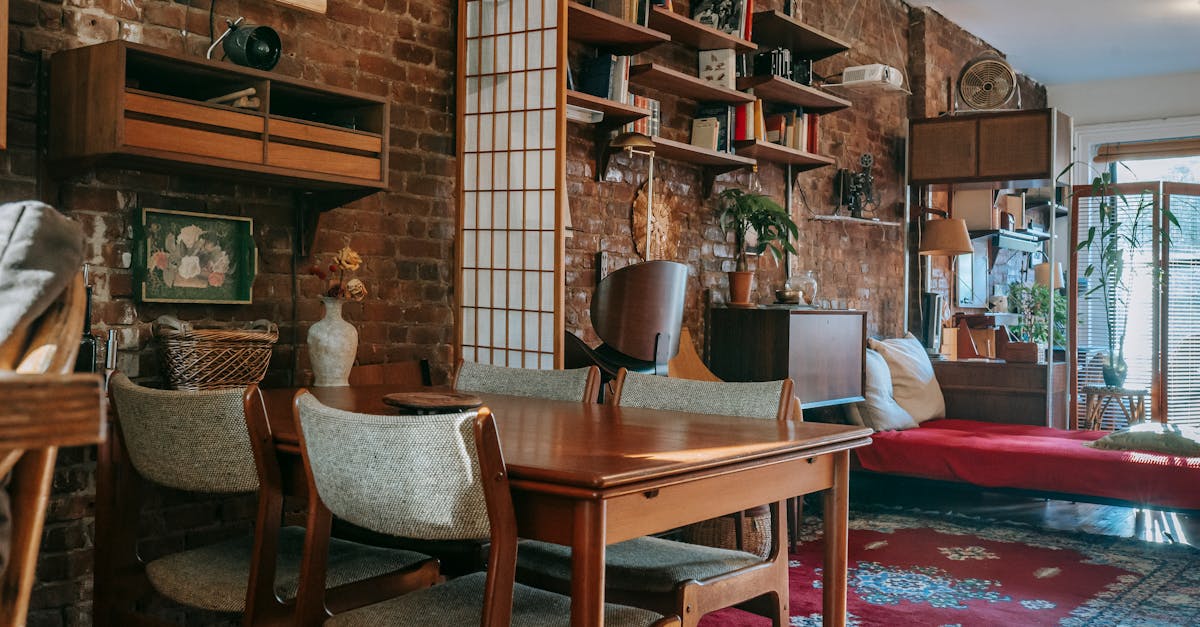
The interplay of textures is essential in creating a harmonious blend of modern and traditional furniture styles. Incorporating various materials, such as soft textiles, sleek metals, and weathered woods, adds depth to the overall aesthetic. For instance, pairing a plush velvet sofa with a rustic wooden coffee table can create a visually engaging contrast. This diversity not only enhances the tactile experience but also anchors each piece within the larger design framework.
Layering different textures can further stimulate the senses and evoke a more inviting atmosphere. Consider using throws, cushions, and area rugs that combine both contemporary patterns and traditional designs. This combination invites an intriguing dialogue between old and new, fostering a sense of unity. Ultimately, thoughtful textural choices can transform a space into a dynamic environment where both modern and traditional elements coexist comfortably.
Navigate to these guys for detailed information.
The Role of Materials in Design
Materials play a crucial role in any design scheme, particularly when merging modern and traditional styles. Each material carries its own history and character, influencing the overall look and feel of the space. For instance, sleek metals and glossy finishes often complement contemporary furniture, while rustic wood and textured fabrics evoke a more classic vibe. By judiciously selecting materials, designers can create a harmonious balance between the contrasting styles, allowing them to enhance each other rather than compete.
When integrating materials, consider the color palette and texture to ensure cohesion. A modern glass table might benefit from the warmth of a vintage upholstery piece, creating a dialogue between the two aesthetics. Similarly, using traditional materials like stone or wood in a minimalist design can provide depth and warmth. This thoughtful combination allows for a dynamic environment that reflects both modern sensibilities and timeless elegance, enriching the overall experience of the space.
Space Planning Strategies
Effective space planning enhances the harmony between modern and traditional furniture. Start by determining the focal points in the room, which can guide the placement of each piece. Consider scale and proportion when arranging furniture to ensure comfort and functionality. Creating distinct yet interconnected zones can help delineate areas for various activities, allowing each style to shine while maintaining an overall flow.
Incorporating rugs can also aid in defining spaces and bridging the gap between the two styles. A well-chosen area rug can unify contrasting pieces, contributing texture and warmth. Moreover, maintaining a balance between the visual weight of modern and traditional elements is essential. By thoughtfully distributing larger items and breaking up bulk with lighter accessories, the room can foster a cohesive environment that respects both aesthetics.
Arranging a Cohesive Living Environment
Creating a balanced space requires careful consideration of scale and proportion. Mixing modern and traditional furniture can enhance visual interest, but it is essential to maintain harmony throughout the room. A large, contemporary sectional might overpower a delicate, antique side table if not arranged thoughtfully. Positioning furniture in groups based on function can help establish relationships between different styles. For instance, placing a traditional armchair next to a sleek modern coffee table can create a conversation area that feels inviting and cohesive.
The placement of elements plays a critical role in achieving a harmonious blend. Ensure that the layout allows for easy movement while subtly guiding the eye throughout the room. Consider using rugs to define areas and create zones that bring together different styles. Anchoring a modern sofa with a patterned traditional area rug can unify the disparate elements. Balancing colors, shapes, and materials throughout the space can also enhance the overall aesthetic. Focusing on rhythm in the arrangement will ensure that both modern and traditional pieces coexist pleasantly.
Accessorizing for Fusion
Fusing modern and traditional styles requires careful selection of decorative accents. Incorporating items such as vintage vases or contemporary sculptures can create a striking contrast, enriching the visual narrative of a space. Color palettes play a vital role in this process; using similar hues across different accessories can help unify varying styles. This approach not only adds character but also enhances the overall cohesiveness of the environment.
In addition to color, varying textures can significantly contribute to a harmonious fusion. Textiles such as a plush throw on a sleek modern couch or a rustic wooden tray atop a glass coffee table can bridge the gap between disparate designs. Consider integrating art pieces that embody both styles, such as a modern abstract painting framed in a classic wood frame. These thoughtful choices in accessorizing elevate the aesthetic and create a balanced dialogue between the old and the new.
The Impact of Decorative Accents
Decorative accents play a pivotal role in harmonizing modern and traditional elements within a space. They serve as bridges, connecting varied styles through color, pattern, and material. For instance, a contemporary abstract painting can breathe life into a traditional wooden sideboard, drawing attention while maintaining a balance between the two aesthetics. Similarly, vintage accessories like ornate vases or traditional pottery can ground the modern elements, adding warmth and depth to the overall design.
Careful selection of decorative pieces ensures cohesion in a mixed-style setting. Textiles such as throw pillows or area rugs can contribute to this blend by combining patterns and textures from both realms. A plush, modern sofa paired with classic, heirloom-inspired cushions creates a visual narrative that captivates the eye. Lighting fixtures also enhance this fusion, with a sleek, modern chandelier overhead contrasting beautifully with classic furnishings below. Using accents intentionally can transform a space into an inviting and stylish showcase of personal taste.
FAQS
Can modern furniture and traditional furniture really work together in a space?
Yes, modern and traditional furniture can complement each other beautifully when combined thoughtfully, creating a unique and personalized design aesthetic.
What are some effective ways to incorporate textures when mixing modern and traditional furniture?
Incorporating different textures, such as smooth surfaces from modern pieces and rich fabrics from traditional items, can create visual interest and balance in your space.
How important is the role of materials when combining modern and traditional designs?
The materials used can significantly influence the harmony of a mixed design. Choosing complementary materials, like wood finishes or metal accents, can help bridge the gap between modern and traditional styles.
What space planning strategies can I use to successfully mix modern and traditional furniture?
Consider creating zones within your space for different styles, ensuring they flow together; this can be achieved through careful arrangement and balancing the scale of the furniture.
How can I accessorize my space to achieve a successful fusion of modern and traditional styles?
Use decorative accents like artwork, rugs, and lighting that reflect both styles to create cohesion. Aim for accessories that blend elements from both design aesthetics for a more unified look.
Related Links
Common Items That Are Collected During An Office Clean OutWhat is the 357 rule in decorating?