How to maximize a small living space?
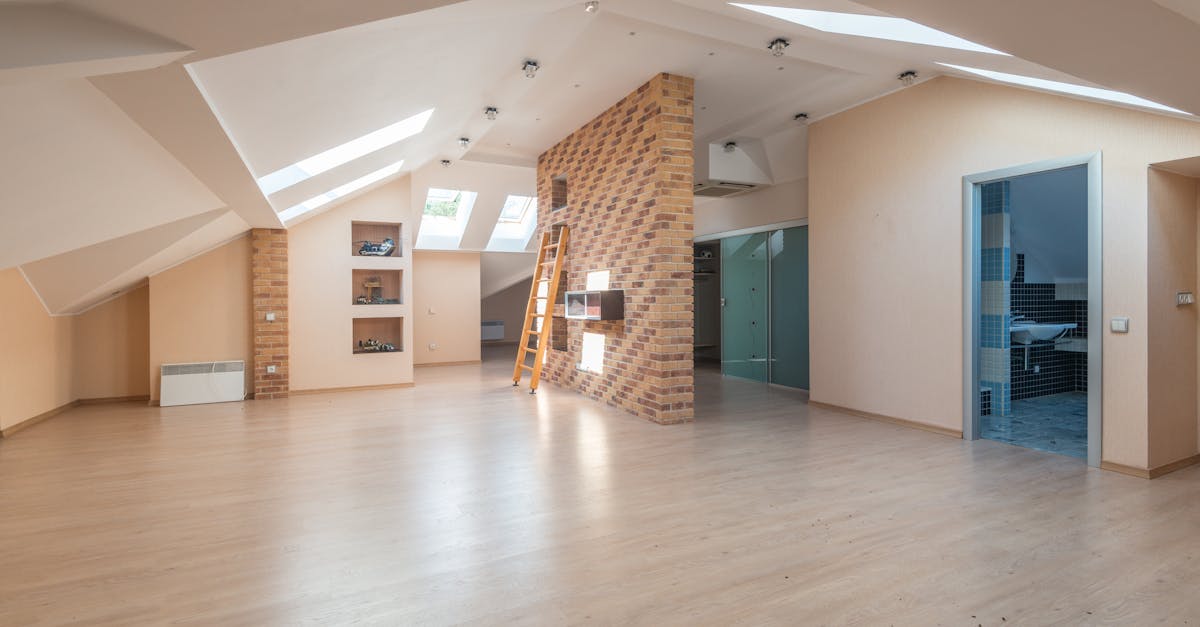
Color Schemes That Create Illusion
Utilizing the right color palette can significantly influence the perception of space in smaller areas. Light colors, such as soft whites, pale blues, and light grays, tend to reflect more natural light, making a room feel larger and more open. Darker hues can create a cozy atmosphere but may also make the space feel more confined. Choosing lighter shades for the main wall areas while using darker or bolder colors as accents allows for depth without overwhelming the visual experience.
In addition to hue selection, the application of color can further enhance the illusion of space. Painting the ceiling a shade lighter than the walls can produce a sense of height, drawing the eyes upward. Moreover, incorporating monochromatic color schemes throughout a room tends to minimize visual interruptions, resulting in a more seamless appearance. This technique can achieve a tranquil environment that feels expansive and well-coordinated.
Continue to read this blog post for more great tips.
Selecting Colors to Open Up Your Space
Choosing the right color palette can significantly impact the perception of space in a small area. Lighter shades such as whites, creams, and pastels tend to reflect light, making the environment feel airy and open. Dark colors, on the other hand, may make a room appear cozier but can also create an illusion of confinement. By strategically applying light colors to walls and larger furniture pieces, you can achieve a more expansive feeling.
Incorporating a limited range of colors offers a cohesive look that can enhance the sense of flow. Monochromatic schemes create harmony and reduce visual clutter, helping the eye to move comfortably throughout the space. Adding pops of color through accessories or artwork can provide interest without overwhelming the overall design. Selecting the right hues is essential for transforming a small area into a welcoming and spacious environment.
Zone Your Living Area
Organizing a small living space into distinct zones can enhance functionality and improve overall flow. Consider how each area serves a purpose; this could mean designating one corner for reading and another for work. Use furniture placement to create boundaries. For instance, positioning a comfortable chair and a small bookshelf together can transform a nook into a cozy reading spot.
Incorporating rugs in different areas can help define these zones visually. A well-placed rug signals a specific function, such as dining or relaxation, while also adding texture and warmth to the space. Maintain a cohesive look with a consistent design theme across zones. This approach creates harmony and ensures that each area feels connected, encouraging a sense of spaciousness despite limited square footage.
Delineating Spaces for Different Activities
Creating distinct areas within a small living space is essential for maximizing its functionality. Utilize furniture placement to define separate zones for activities such as relaxation, dining, and work. For example, place a cozy sofa or a bookshelf to create a divider between your living area and a home office nook. This physical separation helps to mentally differentiate between various functions, which can lead to increased productivity and comfort.
Incorporating area rugs is another effective method to establish boundaries within a smaller room. A well-placed rug can visually indicate a specific zone, like a dining area or reading corner, without the need for physical barriers. Choose rugs that complement your color scheme and design aesthetic to enhance the illusion of space while providing a sense of cohesion throughout the areas. Small adjustments can have a significant impact on how the space feels and functions.
Incorporating Mirrors Effectively
Mirrors can significantly enhance the perceived size of a small living space when used strategically. Placing a mirror opposite a window can reflect natural light, brightening the room and creating a more open feel. Additionally, large mirrors add depth to the decor, making an area seem larger than it actually is. Choosing decorative frames can also complement the overall aesthetic while maintaining the illusion of increased space.
Incorporating multiple smaller mirrors can create a gallery effect that draws the eye upward or across the room. This arrangement invites movement and energy into the space, preventing it from feeling closed in. When selecting mirrors, consider their placement relative to furniture and walls to maximize their impact. Proper positioning transforms reflections into an integral part of the decor, enhancing both function and style.
Using Reflective Surfaces to Expand Perception
Reflective surfaces can create an illusion of depth and space, making even the smallest areas feel more expansive. Strategically placing mirrors on walls can bounce light around a room, enhancing brightness and contributing to an airy atmosphere. A large mirror opposite a window can also amplify natural light, creating a more inviting environment.
In addition to traditional mirrors, consider incorporating reflective furniture or decor, such as glass tabletops or metallic accents. These elements not only serve functional purposes but also add visual interest. Be mindful of the arrangement, ensuring that reflective surfaces are positioned to complement the overall aesthetic of the space while maximizing the perception of openness.
FAQS
How can color schemes help in maximizing a small living space?
Color schemes can create an illusion of more space by using lighter colors that reflect light, making the area feel more open and airy.
What are some tips for selecting colors that open up a small space?
Choose light, neutral colors for walls and larger furniture pieces. You can also incorporate pops of color through accessories for added interest without overwhelming the space.
What does zoning a living area mean?
Zoning a living area involves dividing the space into different areas designated for specific activities, such as relaxing, working, or dining, to enhance functionality and organization.
How can I effectively delineate spaces for different activities in a small living area?
Use furniture arrangements, area rugs, and decorative screens to create visual boundaries between different zones, helping to define each area without the need for physical walls.
How do mirrors help in maximizing a small living space?
Mirrors can create the illusion of depth and expand the visual perception of space. When placed strategically, they reflect light and views, making the area feel larger and more open.
Related Links
Is it healthy to live in a small apartment?How to make the most of a small studio apartment?