What are the three F's of interior design?
Common Misconceptions about the Three F's
Many people often assume that the three F’s—function, form, and flow—are strictly about aesthetics. They believe that a beautiful space must sacrifice practicality or efficiency. This misconception overlooks the fundamental nature of interior design, where each element works in tandem. Design should create an environment that is not only visually appealing but also serves its purpose effectively.
Another common misunderstanding is the notion that the three F’s are equally weighted in every space. Some might think that every design choice must rigorously adhere to the balance of function, form, and flow. However, the prioritization of these elements can vary depending on the context and needs of the inhabitants. For instance, a bustling kitchen may emphasize function more than form, while a serene bedroom might prioritize flow and form over functional additions.
Check out this site for more information.
Clarifying Misunderstandings in Design Principles
Many individuals believe that effective interior design is solely about aesthetics. This view overlooks the deeper significance of functionality, which should seamlessly merge with form. A space can be visually appealing, but if it lacks practical use, it often fails to serve its intended purpose. Designers frequently encounter clients who prioritize beauty over usability, leading to environments that look fabulous yet do not meet the occupants' needs.
Another common misbelief is that the three F's—function, form, and feel—must be applied in a rigid order. This misconception can stifle creativity and limit innovative solutions. In reality, each element works in tandem and can influence one another at various stages of the design process. A well-rounded approach incorporates these principles flexibly, allowing designers to prioritize what matters most for the specific project while still creating a harmonious and inspiring space.
Case Studies of Effective Design
Examining real-life applications of the three F's—functionality, flow, and form—reveals how these principles can dramatically enhance spaces. A notable example is a downtown loft that seamlessly integrates an open floor plan. In this space, functionality is prioritized by selecting furniture that serves dual purposes while maintaining clear pathways to support effortless movement. The thoughtful arrangement encourages social interactions while ensuring that individual tasks can be completed with ease.
Another compelling case can be found in a suburban family home. Here, the designer emphasized flow by carefully selecting color palettes and materials that naturally guide the eye from one room to another. A cohesive design theme is established through the consistent use of textures and colors, creating a unified aesthetic. This setup not only amplifies the visual appeal but also fosters a sense of harmony, proving that attention to the three F's can lead to both beautiful and practical living spaces.
Real-Life Examples Showcasing the Three F's
A well-known coffee shop in a bustling urban area perfectly illustrates the application of the three F’s—functionality, form, and flow. The design incorporates various seating arrangements to accommodate both individual customers and groups. Each seating area serves a purpose, whether it’s a cozy corner for reading or a communal table that fosters interaction. The aesthetic appeal is captivating, with warm colors and natural materials enhancing the environment, making patrons feel comfortable and inviting them to linger.
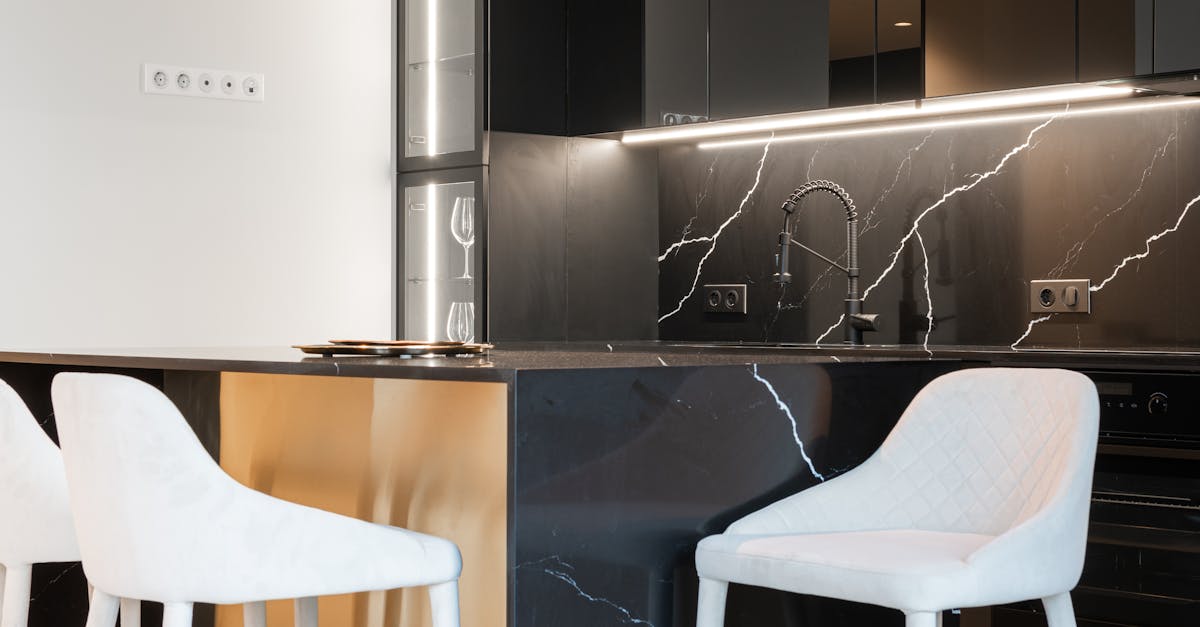
In a contemporary family home, the three F's are seamlessly integrated to create a welcoming atmosphere. The kitchen functions as a central hub with an open layout that encourages movement and interaction among family members. Stylish cabinetry and modern appliances enhance the overall form while maintaining functionality. Ample natural light flows through the space, connecting the kitchen to the dining area, demonstrating how a thoughtful design creates a sense of unity and enhances daily life.
Tips for Applying the Three F's
When applying the principles of form, function, and flair in interior design, start by assessing your space's layout and purpose. Identify how each area will be used and consider the flow of movement. Selecting furniture that complements both the shape of the room and encourages ease of navigation creates a harmonious environment. The choice of materials and colors also plays a crucial role in this phase, influencing the overall vibe while ensuring the functionality of the design.
Incorporating flair can breathe life into a space. Use accessories like artwork, plants, and unique decor pieces to add personality and character. Don’t shy away from mixing styles, as that often leads to innovative designs. Balancing these elements with the foundational needs of comfort and usability helps maintain a cohesive look. Experiment with lighting as well, since it can dramatically enhance both the aesthetic appeal and the practical use of each area.
Practical Guidance for Homeowners and Designers
Homeowners and designers should first focus on integrating functionality while ensuring that aesthetics align with personal style. Evaluate each space carefully before making decisions. Practical use of furniture can enhance the overall flow of a room. Choosing the right colors plays a significant role in creating an inviting atmosphere.
Attention to detail can also elevate the design experience. Accessorizing thoughtfully creates a cohesive look that resonates with the intended theme. Emphasize lighting as a crucial element affecting mood and perception. By prioritizing these aspects, one can achieve a well-balanced space that reflects both character and comfort.
FAQS
What are the three F's of interior design?
The three F's of interior design refer to Form, Function, and Flow. These principles help create spaces that are both aesthetically pleasing and practical for everyday use.
How can I apply the three F's in my home?
To apply the three F's in your home, start by assessing the Form of your furniture and decor, ensuring it complements your overall aesthetic. Next, consider the Function of each space, making sure it meets your needs. Finally, evaluate the Flow by arranging items to create a harmonious movement throughout the area.
Are the three F's applicable to all types of interior design?
Yes, the three F's are universal principles that can be applied to various styles of interior design, whether it be contemporary, traditional, minimalist, or eclectic. They help ensure that any design is both beautiful and functional.
Can you provide examples of the three F's in action?
Certainly! For example, in a living room, the Form could include a stylish sofa, the Function involves providing a comfortable space for relaxation and socializing, and the Flow ensures there is enough space for easy movement between furniture pieces.
How do the three F's relate to common misconceptions in interior design?
Common misconceptions often overlook the importance of Function, focusing solely on aesthetic Form. By understanding the three F's, designers and homeowners can create spaces that not only look good but also serve their intended purpose effectively.
Related Links
What is the 60/40 rule in interior design?How to decor a home in a low budget?