Are people who live in apartments happier?
Space Constraints and Personal Contentment
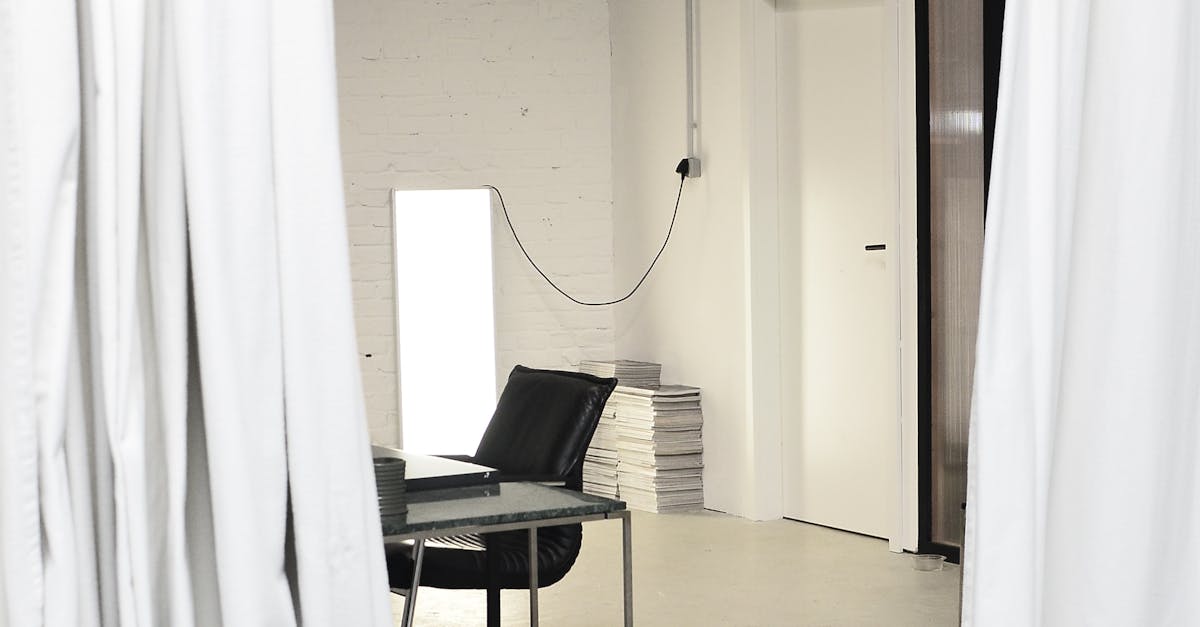
Living in an apartment often comes with limitations in space, which can significantly affect personal contentment. For some individuals, the lack of square footage emphasizes minimalism, pushing them to focus on the essentials. This environment can foster creativity in utilizing available space, leading to a sense of accomplishment when achieving a well-organized home. However, for others, small living quarters may feel suffocating, fostering feelings of frustration or confinement.
The physical constraints of apartment living may prompt residents to reevaluate their priorities and lifestyles. Many find themselves seeking new ways to make the most of small spaces, which can encourage deeper satisfaction with their belongings. In a compact environment, the appreciation for simplicity can blossom. Those who adapt well to these conditions often find that contentment stems from embracing a lifestyle that challenges them to live intentionally, rather than accumulating unnecessary items.
This new blog post covers this topic in more detail.
Managing Limited Space and its Challenges
Living in an apartment often comes with size limitations that can pose challenges for residents. The need to make efficient use of space can lead to innovative storage solutions and creative organization. Many individuals find themselves needing to prioritize their belongings, which can create a sense of intentionality in their living environment. This process of culling unnecessary items can sometimes promote a more minimalist lifestyle, leading to reduced clutter and a potentially more peaceful atmosphere.
However, the constraints of small living spaces can also result in feelings of confinement or frustration. Shared or compact areas may lead to conflicts over privacy and personal space among roommates or family members. It becomes essential for residents to establish boundaries and ensure effective communication to mitigate these tensions. Adapting to these challenges requires flexibility and problem-solving skills, traits that can ultimately contribute to personal growth and resilience.
Maintenance and Upkeep in Apartments
Living in an apartment often comes with a unique set of maintenance responsibilities. Many apartment dwellers benefit from having maintenance staff available to handle repairs and upkeep. This can significantly reduce the stress associated with fixing issues that arise in a home. Leaks, broken appliances, and other maintenance concerns are typically addressed by property management. This allows residents to focus on enjoying their space rather than worrying about extensive repair work.
However, some people may find limitations with the level of control they have over their living environment. Apartment residents may need to wait for management to address maintenance issues, which can lead to frustration. Additionally, there are restrictions on modifications that tenants can make to their apartments. These constraints can impact personal satisfaction, making it important for individuals to weigh the benefits of quick maintenance against the desire for a personalized living space.
The Benefit of Less Responsibility
Living in an apartment often comes with a reduced sense of responsibility compared to homeownership. Renters typically are not accountable for major repairs or renovations. This can lead to a lower level of stress, as unexpected issues such as plumbing problems or roof leaks are usually handled by the landlord or property management. For many, this arrangement provides peace of mind and allows them to focus on their personal and professional lives without the burden of extensive home maintenance.
The reduced ownership responsibilities allow individuals to allocate their time and resources elsewhere. With fewer obligations tied to property upkeep, residents often find they have more opportunities to engage in hobbies, social activities, or travel. This freedom can contribute to an enhanced sense of well-being. Those who prioritize a lifestyle with less encumbrance may find apartment living aligns well with their values and aspirations.
Flexibility and Mobility in Renting
Renting an apartment offers individuals the freedom to relocate without the burdens of property ownership. This mobility can be appealing for those seeking new job opportunities, lifestyle changes, or simply a change of scenery. The ability to move to different neighborhoods or cities allows tenants to explore diverse environments and cultures. This flexibility may lead to an enhanced sense of adventure and personal growth.
Frequent moves can also provide a chance to reassess one’s living situation and preferences. Each new rental experience can lead to insights about what truly contributes to well-being and happiness. While some may find constant transitions stressful, others thrive on the excitement of new beginnings. Adapting to various living conditions might foster resilience and a greater appreciation for one’s home, no matter the size or location.
How Moving Often Influences Happiness
Frequent relocations can lead to a mix of emotions, ranging from excitement to anxiety. For some individuals, moving provides a chance to explore new neighborhoods and meet diverse communities. This change can stimulate creativity and offer fresh perspectives. The prospect of new experiences may enhance an individual’s joy and motivation.
On the flip side, repeated transitions can strain relationships and disrupt routines. The process of packing and settling in can be overwhelming and stressful, impacting overall well-being. Established support networks might also be lost, making it harder for some to find contentment. Balancing the thrill of new beginnings with the challenges of continuous change plays a significant role in determining happiness levels for apartment dwellers.
FAQS
Are people who live in apartments generally happier than those who live in houses?
Happiness levels can vary widely among individuals, regardless of their living situation. Some studies suggest that apartment dwellers may experience less stress due to reduced maintenance responsibilities and greater community connections, while others find that larger homes provide more personal space and comfort.
What are some common challenges faced by apartment dwellers that could affect their happiness?
Apartment living often comes with space constraints, noise from neighbors, and limited privacy. These factors can create challenges that may impact overall satisfaction and happiness.
How does the maintenance and upkeep of an apartment influence residents' happiness?
Many apartment residents appreciate less responsibility for maintenance and repairs, which can lead to greater peace of mind. This lessened burden can positively affect their overall happiness as they have more time to focus on personal interests and social activities.
Does living in an apartment provide more flexibility and mobility compared to a house?
Yes, renting an apartment often allows for easier relocation, which can provide a sense of freedom and flexibility. This can contribute to happiness for those who value the ability to move for job opportunities, lifestyle changes, or personal growth.
How can frequent moves impact the happiness of apartment renters?
Moving often can have mixed effects on happiness. For some, it brings excitement and new experiences, fostering social connections and adaptability. For others, it can lead to stress and a sense of instability, which may detract from their overall satisfaction.
Related Links
What is the 3-5-7 rule in interior design?What is the psychology of living in small spaces?