What is the 3-5-7 rule in interior design?
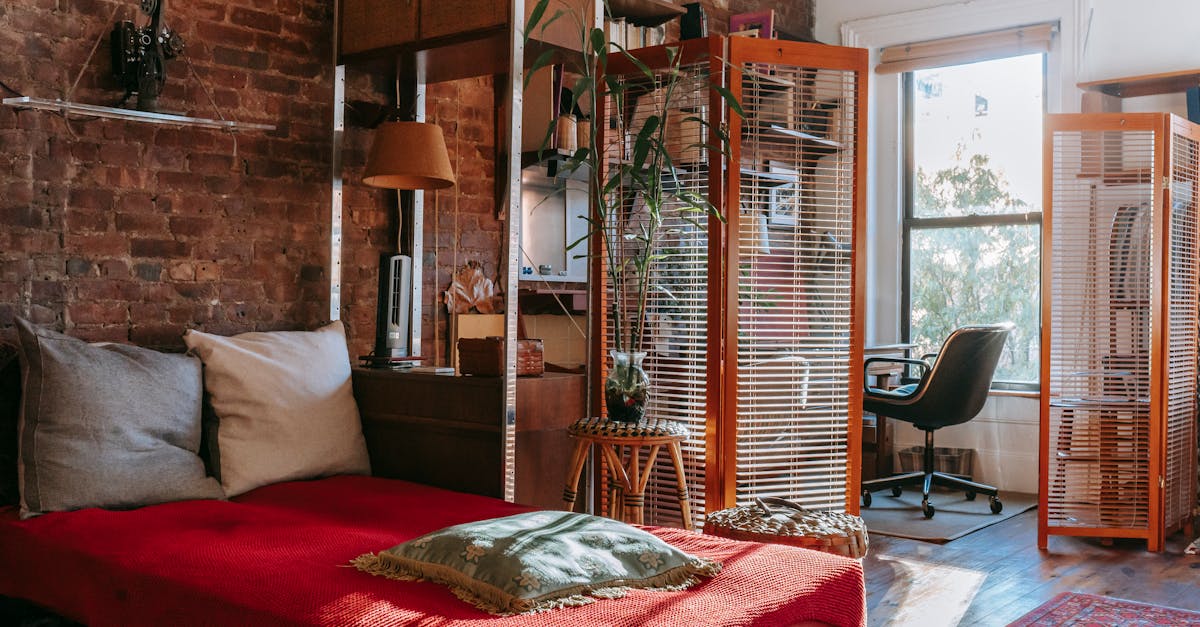
Using the 3-5-7 Rule for Furniture Arrangement
The 3-5-7 rule provides a straightforward framework for arranging furniture in a space. This guideline suggests that furniture pieces should be grouped in a way that creates visual balance and functional flow. Utilizing three key pieces, five complementary items, and incorporating seven layers of texture or color can help achieve this harmonious arrangement while also defining zones within the space.
When applying this rule, it's essential to consider the scale and proportion of each piece. A larger sofa might occupy the center of the room, while smaller chairs can flank it to create a cozy conversation area. Soft goods like throw pillows or area rugs can introduce texture and color, enhancing the overall aesthetic. Balancing between different heights, materials, and shapes contributes to an inviting environment.
This new blog post covers this topic in more detail.
Optimizing Space and Flow
The arrangement of furniture can greatly influence the overall flow and usability of a room. Applying the 3-5-7 rule helps in creating a balanced layout that enhances movement within the space. By positioning larger pieces at least seven feet apart and keeping smaller items within three to five feet of each other, the design becomes more harmonious and accessible. This spacing not only facilitates easy navigation but also allows for natural conversation areas, encouraging interaction among occupants.
Consideration of available pathways is crucial for optimizing flow. Ensuring that traffic patterns are clear allows for seamless movement from one area to another. Using the 3-5-7 rule aids in defining these pathways while maintaining visual interest. When furniture is arranged thoughtfully, it creates an inviting environment where occupants feel comfortable and engaged. Properly positioned pieces guide individuals through the space rather than obstructing their movement, making the overall design functional and aesthetically pleasing.
Adapting the 3-5-7 Rule for Small Spaces
In small spaces, the 3-5-7 rule can be a valuable tool for creating a sense of balance while maximizing functionality. The key is to focus on the dimensions of furniture and decor, ensuring that items are appropriately scaled to avoid overwhelming the area. Opt for pieces that fit the specified heights, perhaps choosing a small side table that is three feet tall or a console table at five feet, while maintaining a visual harmony that encourages an inviting atmosphere.
Flexibility becomes crucial when working with limited space. Using the rule, incorporate multi-functional furniture that adheres to the three, five, and seven principles. For instance, a three-foot-wide ottoman could serve as both seating and storage, while five-foot shelves maximize vertical space for decor and books. Additionally, allowing for seven inches of space between items can create necessary breathing room, preventing a cramped appearance and enhancing the overall layout.
Tips for Effective Use
To maximize the effectiveness of the 3-5-7 rule, begin by assessing the scale of your furniture. Select pieces that fit comfortably within the defined measurements—three feet, five feet, and seven feet. This approach creates a sensitive balance by ensuring that items are proportionate to each other and the room. Consider visual weight as well, giving priority to elements that draw the eye without overwhelming the space.
Another essential aspect is to maintain a clear flow throughout the area. Avoid overcrowding by strategically placing furniture to encourage movement and interaction. Use rugs and other decor to delineate areas, making transition points intuitive and inviting. By doing so, you enhance both functionality and aesthetic appeal, ensuring that the space remains welcoming and easy to navigate.
The 3-5-7 Rule in Outdoor Spaces
Incorporating the 3-5-7 rule in outdoor spaces offers a structured approach to creating harmonious environments. The rule suggests that outdoor furniture and decor should have a balanced visual weight. Placing three items together creates a focal point, while a cluster of five can form a comfortable seating arrangement. Seven items can enhance the overall design, promoting cohesion among various elements such as plants, lighting, and furniture.
Effective implementation of the 3-5-7 rule outdoors hinges on understanding the available space. Use it to guide the arrangement of seating areas, pathways, and plantings, ensuring that each section complements the others. By following these principles, an outdoor area can become an inviting retreat, harmonizing functional needs with aesthetic appeal while maintaining a natural flow throughout the space.
Extending Design Principles Outside
The 3-5-7 rule, typically applied indoors, can also enhance outdoor spaces by creating visual harmony. In a patio or garden setting, this guideline can assist in arranging furniture, plants, and decor to create a balanced environment. For example, consider placing larger items, like a table, within the seven-foot range, while seating options can be scattered within five feet. This arrangement encourages interaction and maintains an open flow, allowing the area to feel spacious and inviting.
Implementing the 3-5-7 rule outdoors involves using natural elements to complement design choices. Grouping items like planters or outdoor seating in clusters can create cozy nooks while adhering to the rule's dimensions. Pathways should also be considered; maintaining a clear line of sight and open spaces between areas can facilitate movement. Thoughtful placement of lighting can further enhance the ambiance, ensuring that outdoor areas feel intentional and welcoming after sunset.
FAQS
What is the 3-5-7 rule in interior design?
The 3-5-7 rule is a guideline for furniture arrangement that suggests using measurements of 3 feet, 5 feet, and 7 feet to create balanced and functional spaces. It helps maintain proper distances for movement and interaction among furniture pieces.
How can the 3-5-7 rule improve space flow?
By adhering to the 3-5-7 rule, designers ensure that there is enough space for people to move comfortably between furniture pieces. This creates a more open and inviting atmosphere, enhancing the overall flow of the room.
Can the 3-5-7 rule be applied in small spaces?
Yes, the 3-5-7 rule can be adapted for small spaces by adjusting the measurements to fit the scale of the room. This ensures that even in compact areas, furniture is arranged efficiently to optimize space without feeling cramped.
Are there specific tips for effectively using the 3-5-7 rule?
Some tips include measuring the dimensions of your space before arranging furniture, prioritizing function over aesthetics, and being willing to rearrange pieces until you achieve a layout that feels balanced and functional.
How does the 3-5-7 rule apply to outdoor spaces?
The 3-5-7 rule can be extended to outdoor design by considering the same spacing principles. This helps create functional outdoor living areas that encourage movement and social interaction, similar to interior spaces.
Related Links
What is the 2/3 rule for living rooms?Are people who live in apartments happier?
Common Items That Are Collected During An Office Clean Out