What is the 2/3 rule for living rooms?
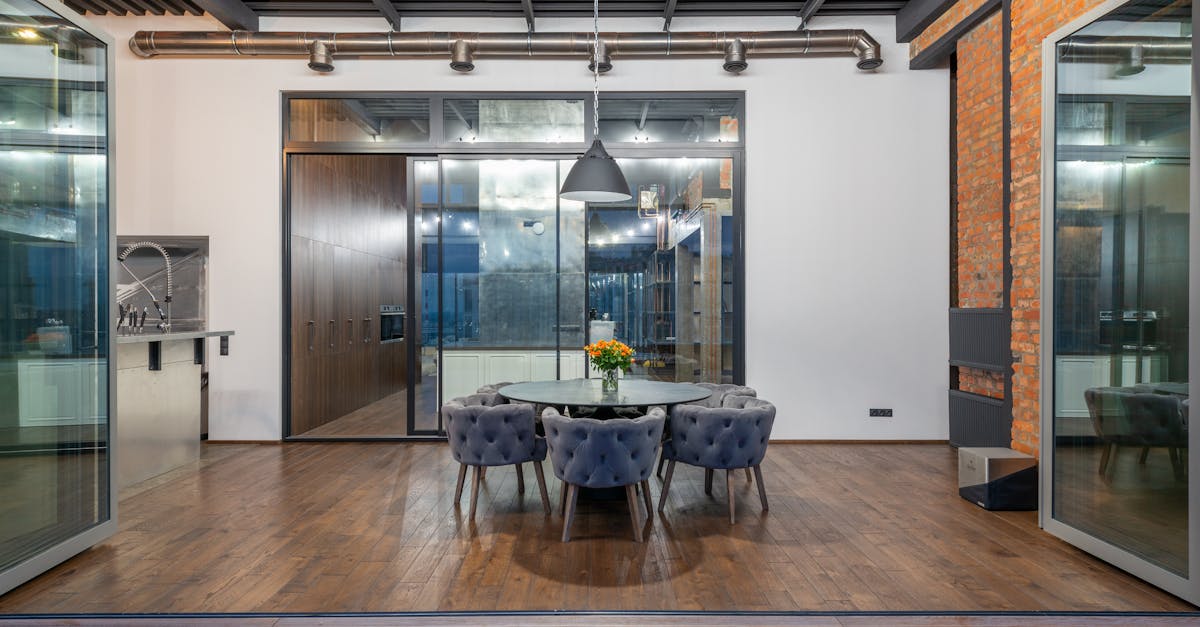
Lighting Considerations with the 2/3 Rule
When designing a living room, lighting plays a pivotal role in enhancing both functionality and aesthetic appeal. The 2/3 rule provides a guideline for optimal light distribution within this space. Ideally, a living room should feature a layered lighting scheme. This means combining ambient, task, and accent lighting to create a balanced atmosphere. By following the 2/3 rule, the proportion of light sources can effectively illuminate the room, ensuring that no area is overly bright or dim.
Incorporating natural light is equally important to consider within the 2/3 framework. Positioning mirrors strategically can help to maximize daylight while reflecting light from various sources throughout the room. Choosing light-colored window treatments allows more sunlight to filter through, enhancing the overall brightness. Utilizing the right mix of light fixtures, such as floor lamps and sconces, complements the available natural light and adheres to the 2/3 rule by fostering a cohesive and welcoming environment.
This is an essential article for anyone looking to learn more about the topic.
Optimizing Light Distribution in Your Living Room
Effective light distribution plays a crucial role in creating a comfortable living space. To achieve this, consider the natural light sources available in your room. Windows should be a focal point, with sheer curtains or blinds that allow for flexibility in controlling brightness. Layering different types of lighting, such as ambient, task, and accent, can also enhance the overall feel. For example, using floor lamps strategically can illuminate corners that might otherwise remain dark, adding warmth and inviting depth.
Positioning light fixtures thoughtfully can further improve the room’s atmosphere. Overhead fixtures can provide general illumination but may leave some areas too stark. Incorporating wall sconces or table lamps allows for more targeted light, useful for reading or highlighting artwork. Experimenting with dimmers can also create various moods throughout the day. Balancing all these elements will lead to a harmonious living room where light enhances functionality and aesthetics.
Common Mistakes to Avoid
When applying the 2/3 rule, one of the most frequent errors is misjudging the proportions required for furniture placement and decor. A common misunderstanding is to interpret the rule rigidly, which can lead to an imbalance in the arrangement. People often line furniture in a way that appears overly symmetrical, detracting from the natural flow and functionality of the space. Achieving harmony requires a more nuanced approach that considers both aesthetics and comfort.
Another mistake involves neglecting the scale of objects in the living room. In an attempt to adhere strictly to the 2/3 rule, many individuals choose oversized pieces that overwhelm the room or, conversely, select items that are too small and get lost in the space. Properly assessing the dimensions of furniture and decor helps to maintain proportionality while also enhancing usability. Balancing these elements is essential for cultivating an inviting atmosphere.
Misinterpretations of the 2/3 Rule
Many people assume that the 2/3 rule strictly applies to all aspects of living room design, particularly when it comes to furniture arrangement. This misinterpretation can lead to overly rigid layouts. Furniture placement should feel organic and tailored to the specific space rather than strictly adhering to numerical guidelines. While the 2/3 rule can provide a useful framework, flexibility allows for personal expression and a more comfortable environment.
Another common misunderstanding is the belief that the rule only pertains to the visual balance of large furniture pieces. This can result in neglecting smaller objects like decorative accents, which play a critical role in achieving overall harmony. Ignoring these elements can lead to a disjointed space. Integrating various sizes, shapes, and colors can create depth and intrigue, resulting in a living room that truly reflects the homeowner’s style and preferences.
Real-Life Examples
Incorporating the 2/3 rule can lead to stunning living room designs. One example is a stylish urban loft where the seating area occupies the lower two-thirds of the room, creating an inviting space for both relaxation and conversation. A well-placed coffee table anchors the seating arrangement, while artwork adorns the upper third of the walls, drawing the eye upward and enhancing the room's verticality.
Another inspiring instance can be found in a cozy suburban home that utilizes this rule effectively. The design features a large sectional sofa that fits perfectly within the bottom two-thirds of the space, complemented by tall bookshelves that rise to the ceiling. Ambient lighting is strategically placed to illuminate the upper third, showcasing the decor while providing a warm and welcoming environment.
Inspiring Living Room Designs Using the 2/3 Rule
Incorporating the 2/3 rule into living room designs can create visually appealing and functional spaces. When arranging furniture, consider placing two-thirds of the seating against the wall. This approach not only optimizes floor space but also encourages natural movement throughout the room. Additionally, using area rugs to define seating areas can enhance the cozy atmosphere while adhering to the guideline.
Successful examples can be seen in contemporary designs that emphasize balance and proportion. Utilizing large art pieces or mirrors on walls introduces striking elements that draw the eye without overwhelming the space. By focusing on proportions, designers achieve harmony, making the room feel inviting and well-organized while highlighting essential features.
FAQS
What is the 2/3 rule for living rooms?
The 2/3 rule for living rooms is a guideline suggesting that two-thirds of your living space should be dedicated to seating and social areas, while the remaining one-third can be allocated for additional furniture, decor, and functional spaces.
How does the 2/3 rule relate to lighting in my living room?
The 2/3 rule emphasizes the importance of balanced lighting in your living room. By ensuring that two-thirds of the room receives adequate natural or artificial light, you can create a more inviting and functional space.
Are there common mistakes people make when applying the 2/3 rule?
Yes, common mistakes include miscalculating the proportions, neglecting proper light distribution, or overcrowding the space with too much furniture, which can lead to a cluttered and unwelcoming environment.
Can the 2/3 rule be adapted for different living room sizes?
Absolutely! The 2/3 rule is flexible and can be adjusted based on the size of your living room. The key is to maintain the balance of space dedicated to seating versus other functionalities, ensuring comfort and accessibility.
What are some examples of living room designs that successfully use the 2/3 rule?
Some inspiring designs include open-concept living areas with spacious seating arrangements, cozy reading nooks that occupy one-third of the room, or layouts that focus on maximizing light while keeping two-thirds dedicated to social interaction.
Related Links
What is the 80/20 rule in interior design?What is the 3-5-7 rule in interior design?
Common Items That Are Collected During An Office Clean Out