Maximizing Small Spaces

Common Items That Are Collected During An Office Clean Out
An office clean-out can be a daunting task, but it's an important part of keeping a workspace functioning properly and organized. During an office cleanout, there are many items that should be collected and discarded or recycled such as broken electr...
Read more →
Can you mix modern furniture with traditional?
The interplay of textures is essential in creating a harmonious blend of modern and traditional furniture styles. Incorporating various materials, such as soft textiles, sleek metals, and weathered woods, adds depth to the overall aesthetic. For inst...
Read more →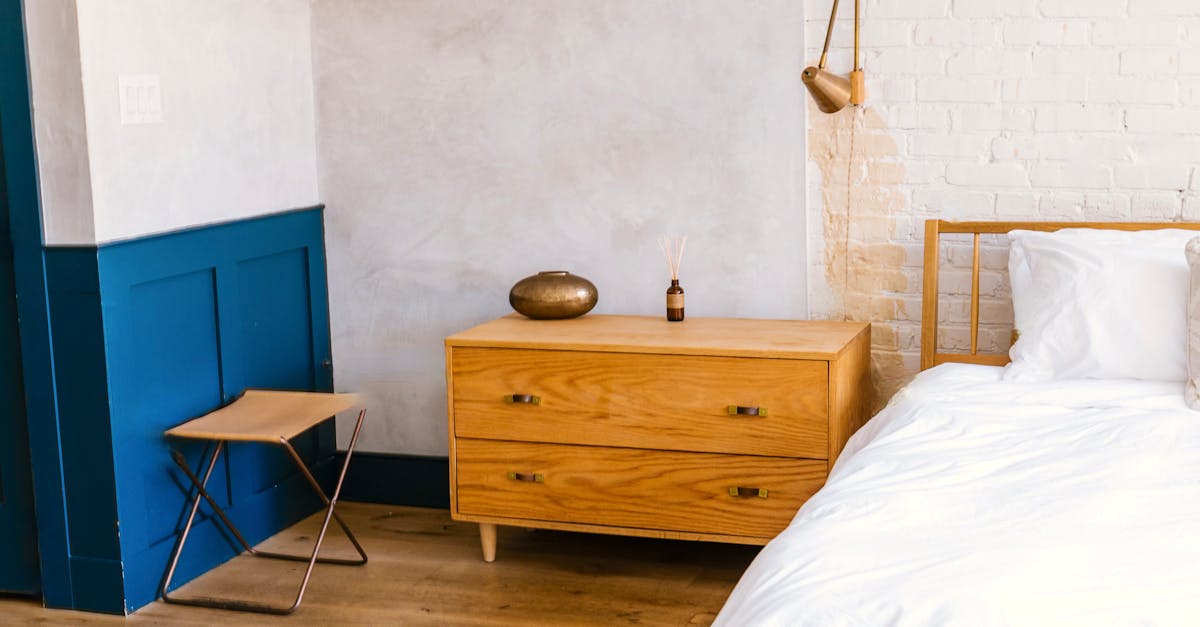
What is the 357 rule in decorating?
The 357 rule offers a structured approach to decorating that encourages balance and harmony within a space. By suggesting that three of one element, five of another, and seven of yet another be used, it provides a clear guideline that simplifies deci...
Read more →
What is the golden ratio in interior design?
One of the most effective ways to implement the golden ratio in color schemes is through the selection of colors that embody harmonious proportions. Interior designers often use this method to establish a visual flow that feels naturally pleasing. By...
Read more →
Is it okay to put a sofa against a wall?
When considering where to place a sofa, the type of room plays a significant role in determining the most effective arrangement. Living rooms typically serve as more formal spaces, often meant for entertaining guests. In such settings, positioning a ...
Read more →
What is the 60/40 rule in interior design?
Understanding the impact of lighting on interior design is crucial for achieving the intended aesthetic and functionality of a space. Effective lighting not only enhances the visual appeal of a room but also influences mood and behavior. A mix of amb...
Read more →
What are the three F's of interior design?
Many people often assume that the three F’s—function, form, and flow—are strictly about aesthetics. They believe that a beautiful space must sacrifice practicality or efficiency. This misconception overlooks the fundamental nature of interior d...
Read more →
How to decor a home in a low budget?
Incorporating plants into your home decor is an effective way to bring life and freshness to your space without a significant expense. Indoor plants add vibrancy and warmth, enhancing the overall ambiance while also providing health benefits like imp...
Read more →
What is the 80/20 rule in interior design?
Applying the 80/20 rule in spatial planning emphasizes the importance of design elements that significantly impact the overall aesthetic and functionality of a space. By focusing on the 20% of items or areas that contribute to 80% of the visual appea...
Read more →
What is the 2/3 rule for living rooms?
When designing a living room, lighting plays a pivotal role in enhancing both functionality and aesthetic appeal. The 2/3 rule provides a guideline for optimal light distribution within this space. Ideally, a living room should feature a layered ligh...
Read more →
What is the 3-5-7 rule in interior design?
The 3-5-7 rule provides a straightforward framework for arranging furniture in a space. This guideline suggests that furniture pieces should be grouped in a way that creates visual balance and functional flow. Utilizing three key pieces, five complem...
Read more →
Are people who live in apartments happier?
Living in an apartment often comes with limitations in space, which can significantly affect personal contentment. For some individuals, the lack of square footage emphasizes minimalism, pushing them to focus on the essentials. This environment can f...
Read more →
What is the psychology of living in small spaces?
Living in small spaces fosters a unique dynamic in social interactions. When individuals are in close quarters, casual conversations tend to happen more frequently. The limited physical area often encourages spontaneous gatherings, leading to deeper ...
Read more →
Can I afford an apartment making $3,000 a month?
Understanding your debt-to-income (DTI) ratio is crucial when evaluating your ability to afford an apartment. This ratio compares your monthly debt payments to your gross monthly income. Ideally, lenders prefer a DTI ratio below 36%. Calculating this...
Read more →
What color makes a small living room look bigger?
The choice of paint finish plays a significant role in how light interacts with walls, ultimately impacting the perception of space in a small living room. Matte finishes absorb light, creating a cozy atmosphere but can also make a room appear smalle...
Read more →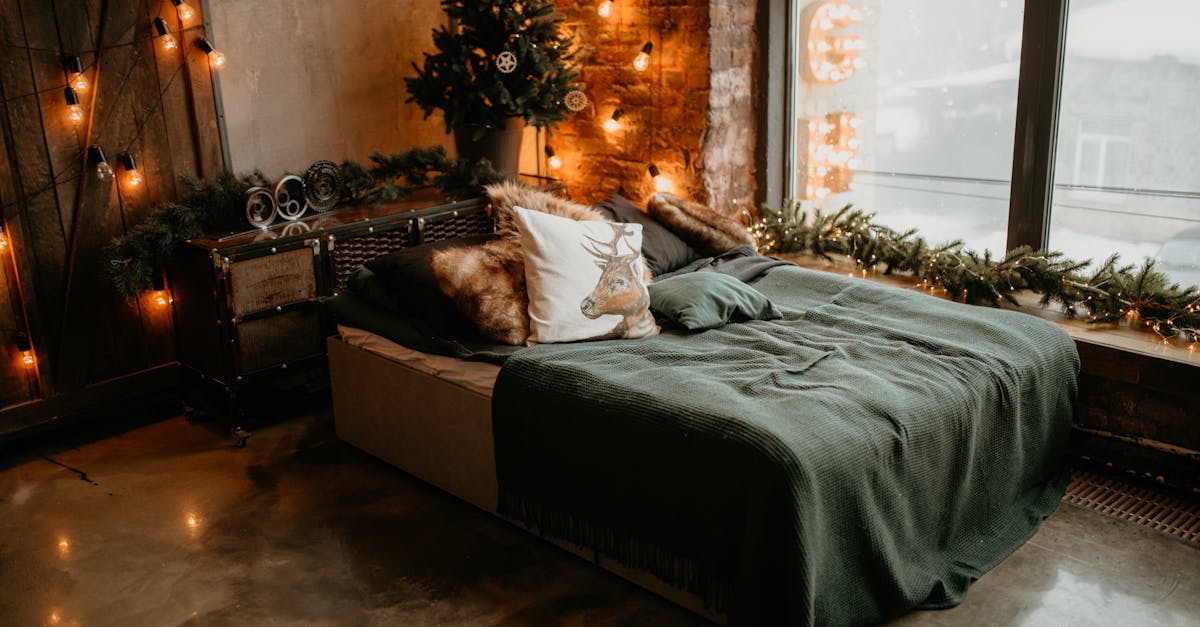
What is the biggest mistake in placement of furniture?
Creating an inviting living space requires careful consideration of how furniture is arranged. Too many pieces in a room can make it feel cramped and overwhelming. It is essential to choose furniture that fits the scale of the room and allows for com...
Read more →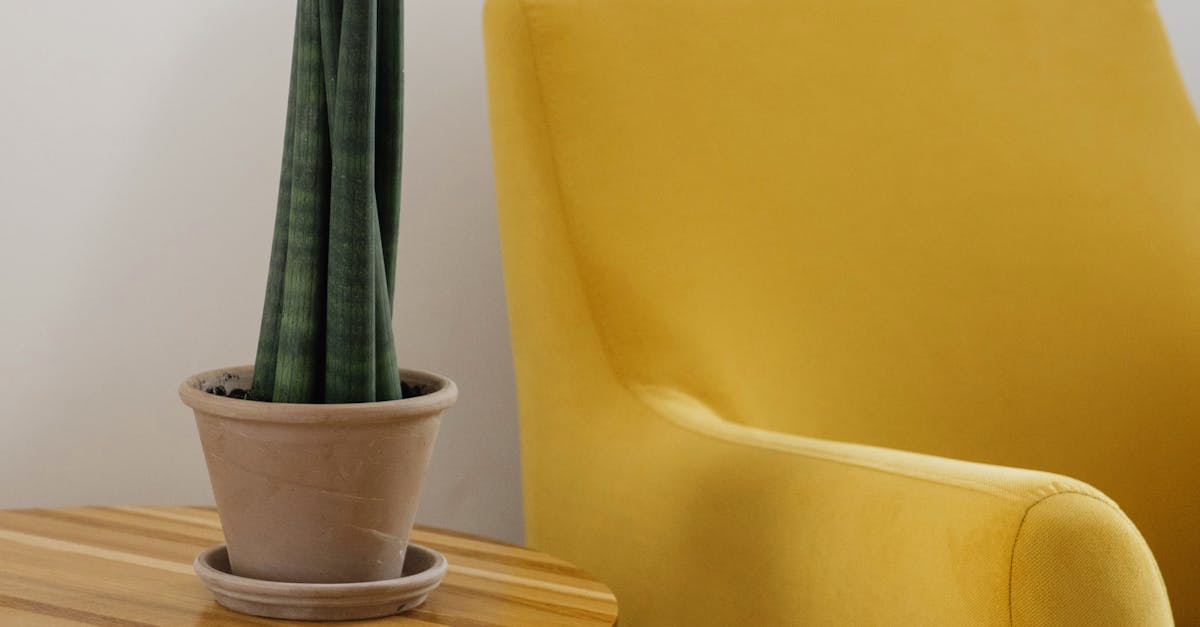
What is the 2 3 rule for living rooms?
When applying the 2-3 rule in living room design, it is essential to consider additional design principles that can enhance the overall aesthetic. Proportions and scale play a crucial role in ensuring that the selected furniture pieces fit seamlessly...
Read more →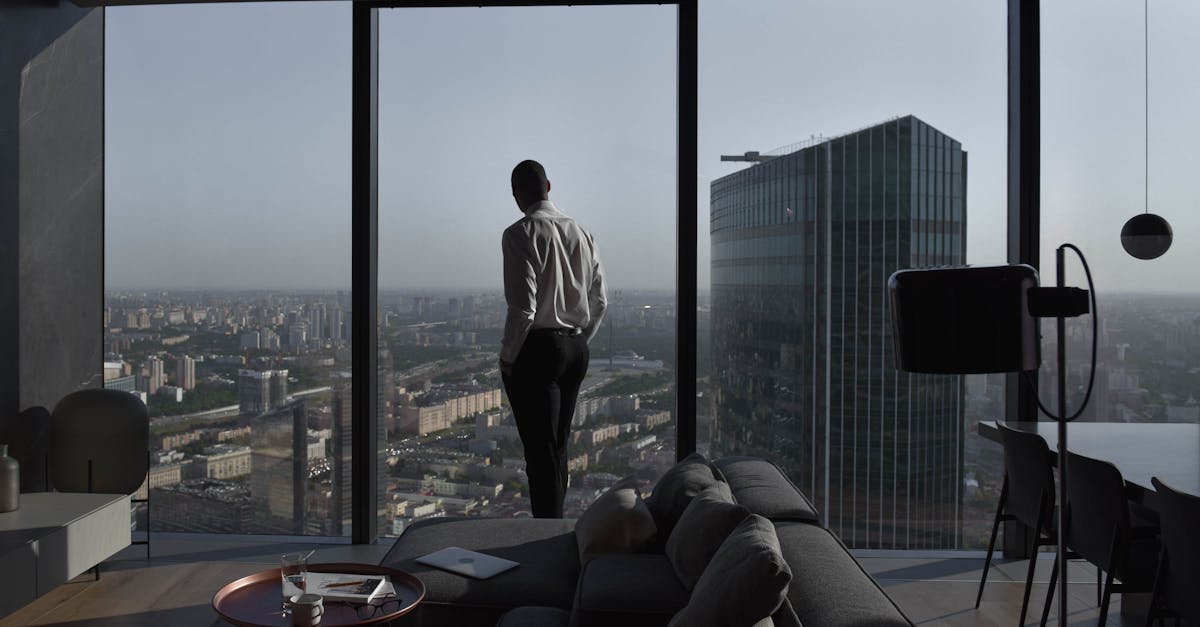
What is the most efficient studio layout?
Acoustic treatment plays a significant role in enhancing the efficiency of a studio space. Properly managed sound can create a more accurate listening environment, allowing for better mixing and recording. Installing sound-absorbing panels and bass t...
Read more →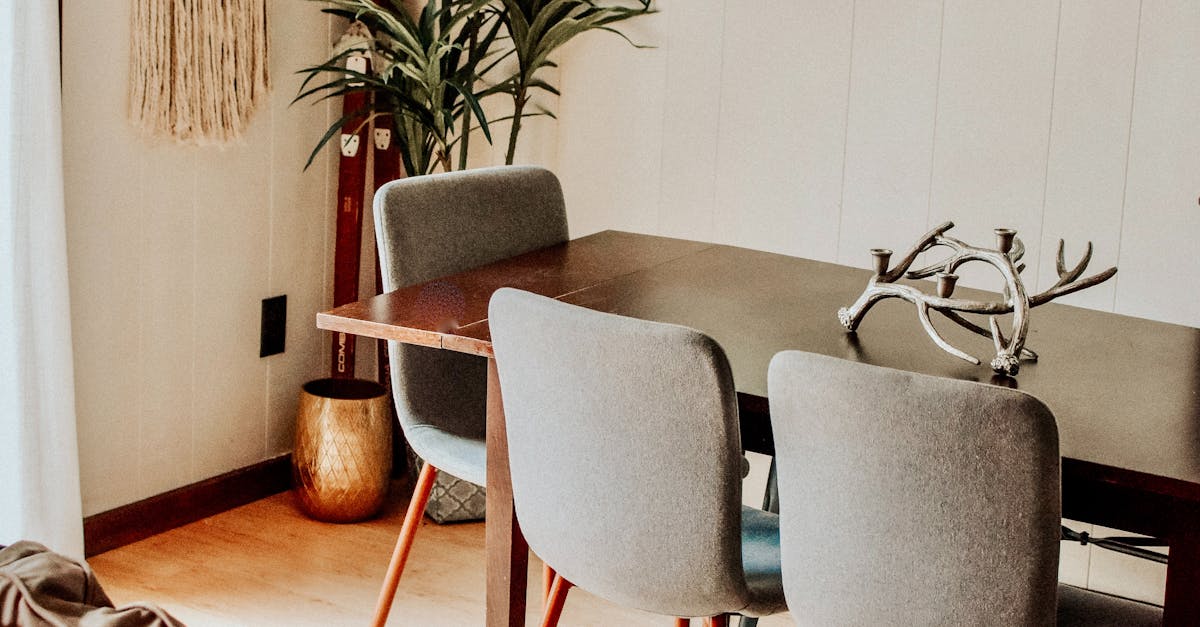
How do I make my bed the focal point?
Throw blankets add an inviting layer of texture and style to any bed. Choosing the right fabric can enhance the overall look; materials like cotton, wool, or faux fur can significantly influence the ambiance of the room. Consider the color scheme and...
Read more →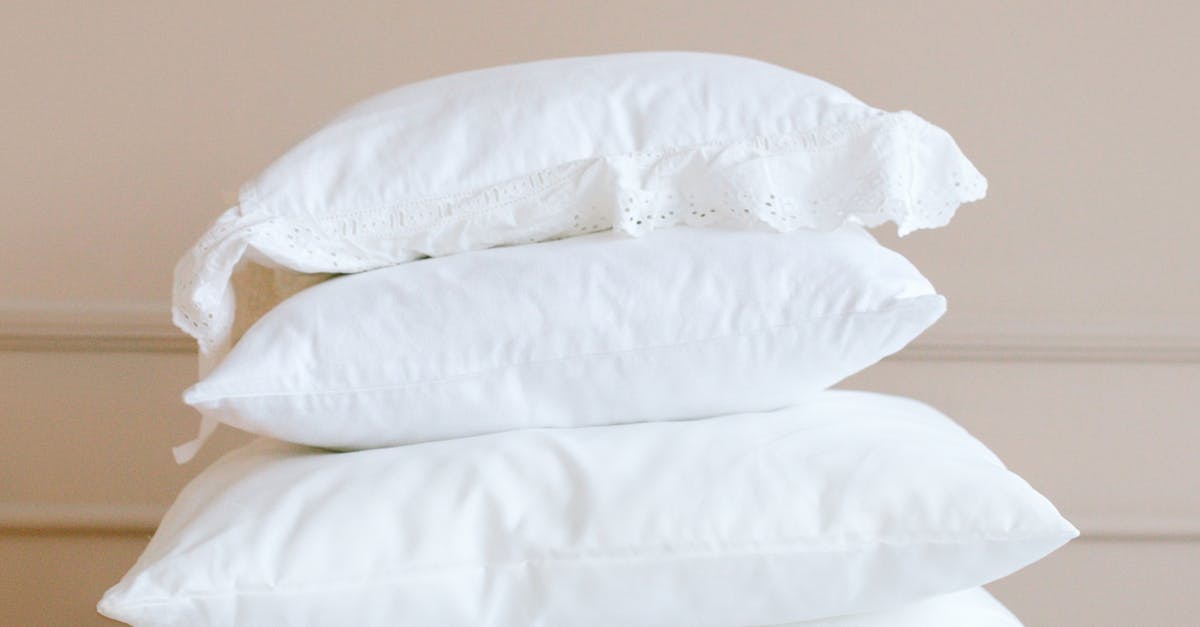
What are the downsides of a studio apartment?
Living in a studio apartment often means sacrificing culinary convenience for space efficiency. The kitchen area is typically compact, featuring limited counter space and fewer storage options. This can make meal preparation challenging, especially f...
Read more →
How to store a lot of clothes in a small area?
Making use of the space under the bed can significantly increase your storage capacity. Various containers or bins fit snugly beneath most bed frames, providing an excellent solution for keeping items organized and out of sight. Choose clear bins for...
Read more →
How to make small apartments look bigger?
Creating a feeling of spaciousness often involves a strategic approach to decor. Focusing on essential items helps eliminate clutter and visual noise. Choosing a few key pieces that serve both functionality and style can define the space without over...
Read more →
Is it healthy to live in a small apartment?
Living in a small apartment can foster significant personal growth as individuals learn to adapt to their environment. The constraints of limited space often encourage creativity and resourcefulness. Residents may discover new ways to decorate and ut...
Read more →
How to maximize a small living space?
Utilizing the right color palette can significantly influence the perception of space in smaller areas. Light colors, such as soft whites, pale blues, and light grays, tend to reflect more natural light, making a room feel larger and more open. Darke...
Read more →
How to make the most of a small studio apartment?
The right lighting can dramatically alter the perception of space in a small studio apartment. Natural light should be maximized wherever possible. Use sheer curtains to allow sunlight to flow in while maintaining a sense of privacy. Mirrors can also...
Read more →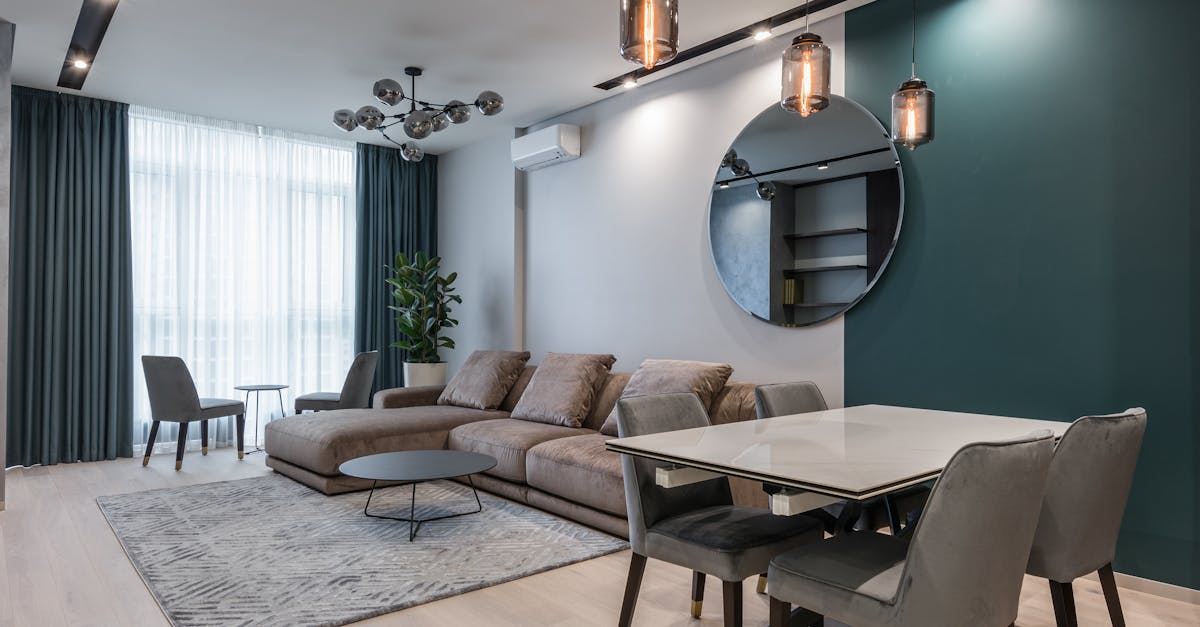
How can I maximize storage in my tiny apartment?
Making the most of limited closet space is essential for a functional tiny apartment. One effective strategy involves organizing by season or usage. Storing off-season clothes in labeled bins or vacuum-sealed bags not only creates more room but also ...
Read more →